

The Allure of Chance and Risk
The thrill of taking risks is a fundamental aspect of human behavior, deeply rooted in our psychology. When it comes to casino games, the element of chance plays a significant role in attracting players. People often find themselves drawn to activities that involve uncertainty, as it adds an exhilarating aspect to their experience. The anticipation of a potential win can trigger a rush of adrenaline, leading individuals to seek more opportunities to gamble, including exploring no verification casinos that offer unique experiences. This desire for risk can be compared to extreme sports, where the excitement of the unknown fuels participation. The unpredictability of outcomes in casino games can create a compelling narrative that keeps players engaged and coming back for more.
Moreover, the concept of loss aversion is crucial in understanding gambling behavior. Research suggests that individuals experience losses more intensely than they do equivalent gains. This phenomenon can lead players to chase their losses, resulting in a cycle of continued play. Casinos are designed to exploit this psychological trait, often using visual and auditory cues to create a stimulating environment that encourages players to stay longer, hoping to retrieve their lost wagers. This dynamic showcases the complex interplay between our emotions and decision-making processes when faced with risk, making the casino experience particularly captivating.
The psychology of reward systems also plays a vital role in making casino games so appealing. Many games utilize variable reinforcement schedules, meaning that rewards are given unpredictably, which has been shown to increase excitement. This unpredictability keeps players engaged, as they are unsure when they might hit a jackpot. The brain’s dopamine response to these intermittent rewards reinforces the urge to continue playing, further solidifying the connection between gambling and psychological gratification. Such mechanisms create a feedback loop that not only enhances the enjoyment of the game but also perpetuates the desire to keep playing, often leading to longer sessions than initially intended.
The Role of Environment in Gambling Psychology
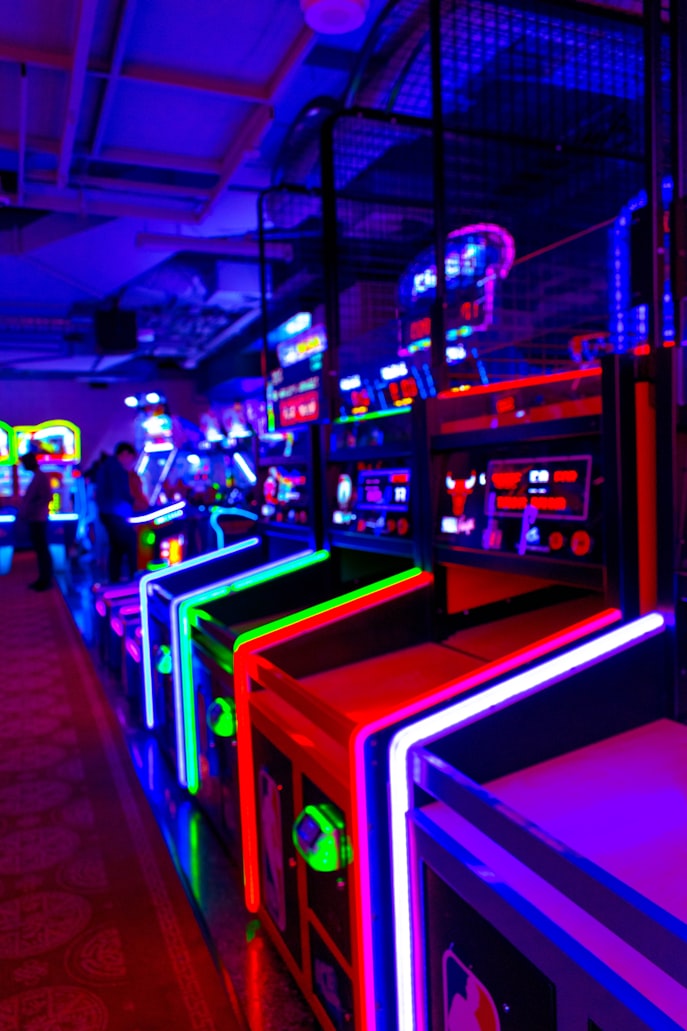
The physical environment of a casino is meticulously crafted to enhance the gaming experience. Designers focus on elements such as lighting, sound, and layout to create an immersive atmosphere. For instance, dim lighting can evoke a sense of intimacy and excitement, encouraging players to feel more comfortable and willing to take risks. Similarly, the sounds of coins clinking or slot machines ringing can create an auditory cue that is synonymous with winning, further enhancing the lure of gaming. This carefully curated sensory landscape plays a significant role in shaping players’ emotions and behaviors while they gamble.
Casinos often employ a strategy of sensory overload, where the combination of colors, sounds, and even smells works together to keep players engaged. This phenomenon is known as escapism, as the casino environment allows individuals to temporarily forget their daily lives and immerse themselves in a world of chance and excitement. This sensory immersion is intentionally designed to prolong the time spent within the establishment, drawing in players who find it difficult to leave. The experience is not just about playing games but about being enveloped in an atmosphere that feels far removed from everyday realities.

The layout of casino floors plays a significant role in gambling psychology as well. Games are often arranged in ways that maximize visibility and encourage social interactions among players. The presence of other gamblers can create a sense of community and camaraderie, making the experience feel more rewarding. This social aspect can amplify the excitement and can often lead to longer gaming sessions as players feed off each other’s energy and enthusiasm. The strategic placement of games and the design of communal spaces enhance the overall allure of the casino, making it not just a place to gamble but a social hub.
Cognitive Biases and Gambling Behavior
Cognitive biases significantly influence how players perceive their chances of winning. One well-known bias in gambling is the “gambler’s fallacy,” where individuals believe that past outcomes affect future probabilities. For example, a player may think that after a series of losses, a win is “due.” This erroneous belief can lead to irrational decision-making and increased gambling behavior, as players fail to recognize that each game or bet is statistically independent. Understanding these biases can shed light on why individuals persist in gambling despite unfavorable odds.
Additionally, overconfidence plays a crucial role in gambling psychology. Many players develop a sense of control over their outcomes, leading them to believe that their skills or strategies can influence luck. This overestimation of one’s abilities can fuel excessive play and higher stakes, as players feel empowered by their perceived prowess. Understanding these cognitive biases is essential for developing responsible gambling practices and recognizing when one’s judgment may be clouded by psychological factors. This awareness can help players make more informed decisions about their gambling habits.
The impact of near misses is another cognitive bias that can enhance gambling behavior. A near miss occurs when a player almost wins but falls short, such as when two identical symbols line up on a slot machine but the third does not. These instances can create a false sense of success, reinforcing the belief that a win is just around the corner. This phenomenon can lead players to continue gambling longer than they planned, chasing after that elusive win that feels almost attainable. Recognizing the psychological effects of near misses can help individuals understand the motivations behind their continued play and the potential for harmful gambling behavior.
Social and Cultural Influences on Gambling
The social context surrounding gambling significantly shapes individuals’ attitudes and behaviors. In some cultures, gambling is viewed as a form of entertainment and social bonding, often associated with celebrations or special occasions. This cultural acceptance can normalize gambling behavior, making it more likely for individuals to participate without considering the potential risks involved. Furthermore, friends and family members can influence one’s decision to gamble, either positively by encouraging participation or negatively by expressing concern. This social dynamic adds another layer to the psychological landscape of gambling.
Peer pressure can also play a pivotal role in gambling decisions, particularly among younger individuals. The desire to fit in or impress peers can lead to higher risk-taking behaviors, including gambling. Casinos often market themselves as trendy social venues, targeting younger demographics who are drawn to the excitement of risk and the possibility of social recognition. This blending of social dynamics and gambling can create a dangerous path for those who may not fully comprehend the consequences of their actions. The interplay of social cues and gambling behavior can lead to a normalization of gambling that is difficult to reverse.
Moreover, the influence of media cannot be underestimated in understanding gambling psychology. Movies, television shows, and advertisements frequently glamorize gambling, portraying it as an exhilarating and glamorous activity. This representation can create unrealistic expectations about the outcomes of gambling, enticing individuals to partake in casino games. As gambling becomes more normalized in popular culture, individuals may be less aware of the potential risks, leading to increased participation without adequate understanding. The media’s role in shaping perceptions of gambling highlights the need for critical awareness and education regarding responsible gambling practices.
Understanding Responsible Gambling
As awareness of the psychological aspects of gambling increases, the importance of responsible gambling becomes paramount. Education on the psychological triggers associated with gambling can help individuals recognize their motivations and the potential for risk. Initiatives promoting responsible gambling emphasize the need for players to understand their limits and the importance of setting boundaries before engaging in gambling activities. This understanding can help prevent the onset of problematic gambling behavior, enabling a healthier relationship with gaming.
Many organizations and casinos are now implementing measures to promote responsible gaming. This includes providing resources like self-exclusion programs, setting betting limits, and creating awareness campaigns that highlight the risks associated with gambling. By leveraging insights from psychology, these initiatives aim to protect individuals from developing negative consequences related to gambling while still allowing for safe enjoyment. Such efforts are crucial in fostering a gaming culture that prioritizes player well-being while still celebrating the fun aspect of gaming.
Incorporating psychological research into gambling frameworks not only aids in safeguarding players but also enriches their experiences. By fostering a greater understanding of the psychological elements at play, individuals can approach gambling with a more informed perspective, leading to healthier engagement with games. This balanced approach ultimately benefits the gaming industry as a whole, as responsible practices can contribute to long-term sustainability. Through education and awareness, a more positive gambling environment can be cultivated, one that acknowledges both the thrill of the game and the importance of responsible play.